Build an AI CEO
for Your SaaS
Tokens are expensive and getting more expensive. Be smart about your AI spend.
Run on-prem models as your workhorse (95% of tasks, €0), deploy Claude/GPT as your strike force (5%). Zero-touch automation from Jira to production.
View the Stack→> Always Optimizing. Never Distracted.
SaaS founders get pulled in a hundred directions. Your AI CEO stays laser-focused on the metrics that matter.
Tracks expansion revenue, identifies upsell triggers, optimizes pricing experiments
Flags at-risk accounts before they cancel, auto-triggers retention workflows
Monitors infrastructure costs, suggests optimizations, scales resources automatically
Optimizes spend across acquisition channels, reallocates budget in real-time
While you sleep, your AI CEO is analyzing user behavior, optimizing conversion funnels, and sending retention emails to at-risk customers. 24/7. Zero salary. No equity.
> The Token Economics Problem
API costs are rising ~15% annually. Your "affordable" AI spend today becomes a budget crisis tomorrow.
The Smart Alternative
> How It Works
From bug detection to production deployment in minutes, not hours.
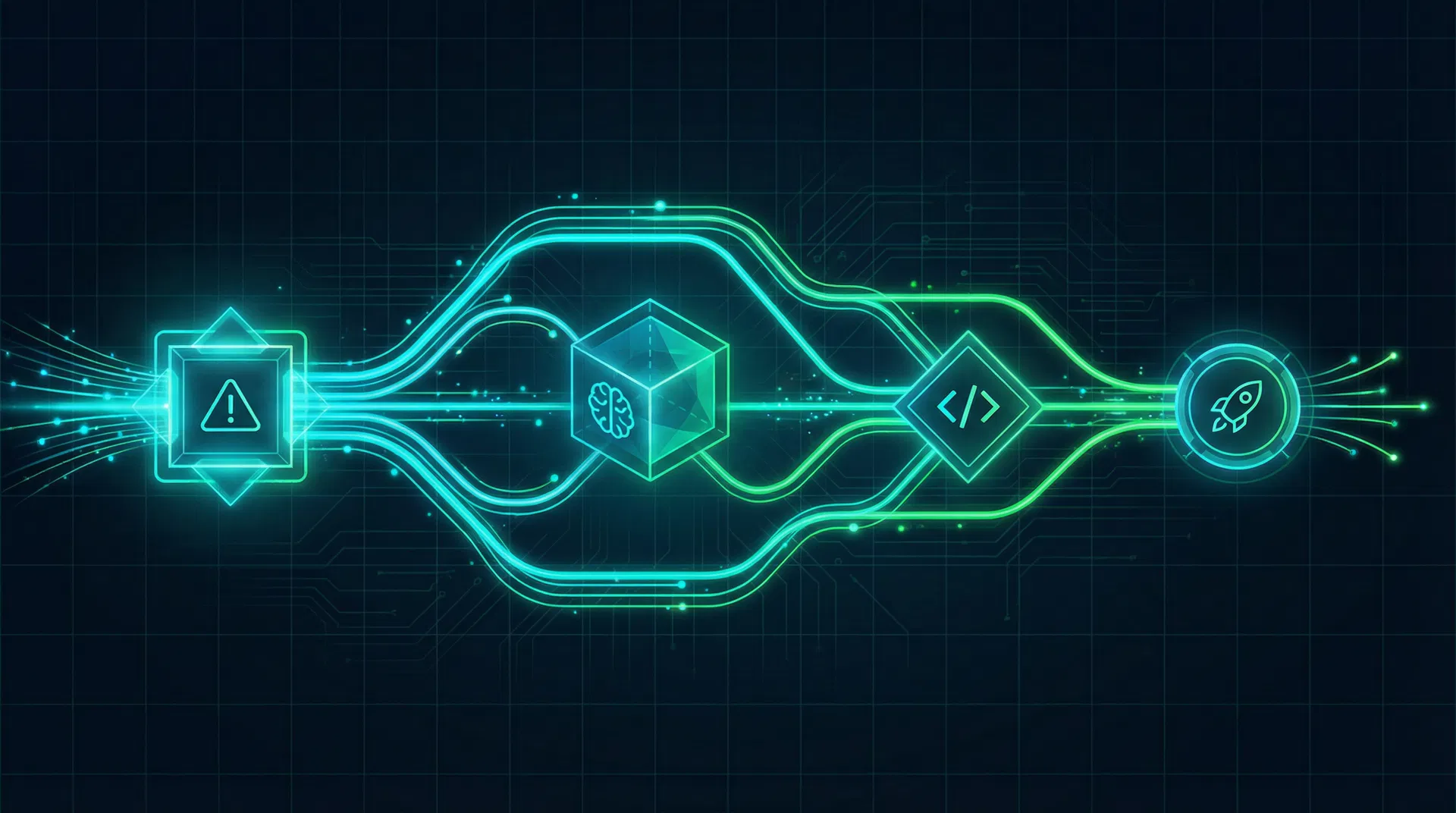
Detect
Sentry alert or Jira ticket triggers the system
Analyze
AI reads codebase, understands context
Fix
Generates code + tests, creates PR
Deploy
Auto-deploy to staging, CEO approves prod
> What Works Exceptionally Well
90%+ success rate on these task types with on-prem models (€0 per request)
Bug Fixes
Known code paths, missing null checks, type errors
Test Generation
Comprehensive tests from existing code patterns
Refactoring
Extract functions, rename variables, clean up
Documentation
JSDoc, README sections, API docs generation
Architecture Changes
Cross-file refactors with Claude 3.5 Sonnet
Security Reviews
Audit middleware, find vulnerabilities
> Guardrails Matter
Models lose context. Costs spiral. Output gets inconsistent. Without guardrails, AI becomes a liability. With thoughtful orchestration, worktrees, and your SOPs baked in—AI becomes reliable.
Models Lose Context
Without worktrees and context isolation, models mix up unrelated issues. Fix one bug, break another. Your 200k codebase becomes a tangled mess in the model's "memory."
Costs Spiral Out of Control
One infinite loop of API calls. One bug in auto-retry logic. Wake up to a €10k bill because there's no hard budget limit or request throttling.
Output Ignores Your SOPs
Your team has architecture guidelines, coding standards, naming conventions—your secret sauce. Generic AI doesn't know them. Output requires heavy editing to match your style.
Why Guardrails Transform AI from Liability to Asset
Watch Guardrails Prevent a €5k Mistake
> Smart Model Selection
Be smart about your AI spend. Use on-prem models as your workhorse—they handle 95% of tasks at €0 cost. Deploy Claude/GPT as your strike force for the complex 5%.

> The ROI
398% return over 3 years. Pays for itself in 12 weeks.
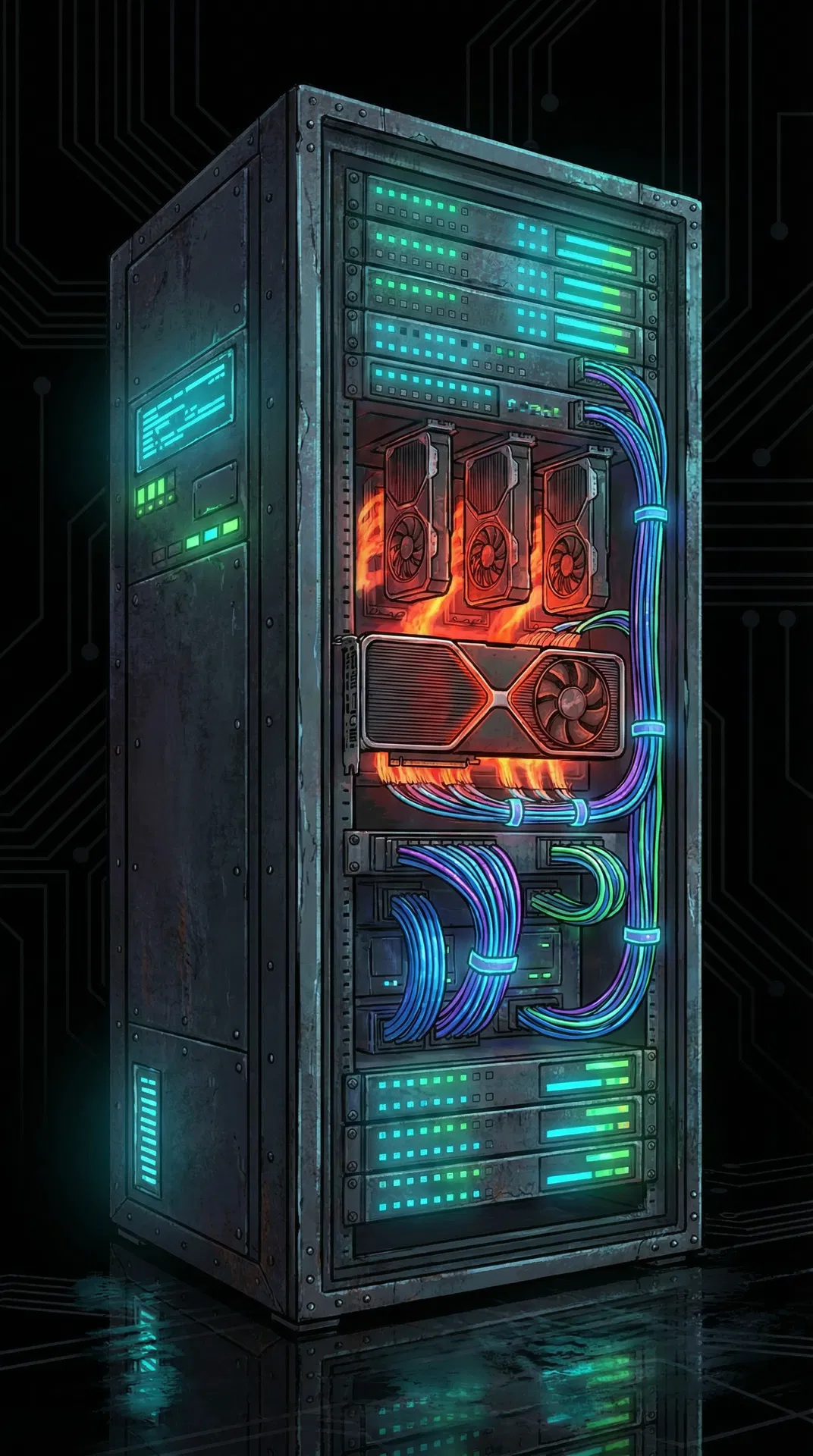
> The Hardware Stack
€10k one-time investment for unlimited on-prem AI inference. Runs on Hetzner, OVH, or your own servers.
> Why Blueprint?
The only platform that goes from Jira to production without touching your IDE.
| Feature | Blueprint | Copilot | Cursor | DIY |
|---|---|---|---|---|
| Zero-touch deploy | ✓ | ✗ | ✗ | ✗ |
| On-prem option | ✓ | ✗ | ✗ | ⚠ |
| WhatsApp/Telegram control | ✓ | ✗ | ✗ | ✗ |
| Model choice per task | ✓ | ✗ | ✗ | ⚠ |
| Jira → PR → Deploy | ✓ | ✗ | ✗ | ⚠ |
| Auto-generated tests | ✓ | ⚠ | ⚠ | ⚠ |
> CEO Dashboard
Deploy from anywhere. Approve from WhatsApp. Full visibility without touching code.
> Never Sleep. Always Optimize.
SaaS founders get distracted. Your AI CEO doesn't. It monitors growth metrics 24/7, identifies churn risks before they happen, and optimizes margins while you sleep.
> 6-Week Implementation
From hardware setup to full team rollout in 6 weeks.
Hardware & Infrastructure
- →Ubuntu 22.04 + NVIDIA drivers
- →vLLM inference server
- →PostgreSQL, Qdrant, Redis
Control Plane
- →Temporal orchestration
- →Model gateway + router
- →Policy engine + audit logs
IDE Integration
- →VS Code / Cursor extension
- →Model picker UI
- →Cost tracking dashboard
Automation & Safety
- →Code → tests → PR pipeline
- →CI/CD integration
- →Security scanning
External Integrations
- →Jira webhooks
- →WhatsApp / Telegram bot
- →Git hooks
Rollout & Training
- →Documentation
- →Team training
- →Gradual rollout
> FAQ
Common questions from dev teams evaluating AI CEO
What hardware do I actually need?
Two RTX 4090s (48GB total VRAM), 256GB RAM, 4TB NVMe. Total ~€10k. Runs Qwen-32B and Llama-70B locally. You can rent equivalent from Hetzner or OVH for ~€300/month.
How is this different from Cursor or Copilot?
Cursor and Copilot are IDE assistants—you still type, review, and deploy. AI CEO is zero-touch: Jira ticket → PR → tests → staging → your approval → prod. No IDE required.
What's the actual success rate?
92% for bug fixes, 88% for test generation, 95% for refactoring. Complex architecture changes drop to 78%—that's when we route to Claude strike force instead of workhorse models.
Can I use this with my existing CI/CD?
Yes. AI CEO creates standard PRs with conventional commits. Works with GitHub Actions, GitLab CI, CircleCI, Jenkins. Your existing pipelines run unchanged.
What about security and secrets?
Context filtering blocks .env files automatically. Semgrep scans all generated code. Your codebase never leaves your infrastructure—100% on-prem option available.
How long does implementation take?
6 weeks from hardware setup to full team rollout. Week 1-2: infrastructure. Week 3-4: integrations. Week 5-6: training and gradual rollout.
€10k investment
→ €135k saved over 3 years
The tools are ready. The models are good enough. The hardware is affordable.
What are you waiting for?